How can you maximize your profits when selling USDT? This is probably the most pressing question for many cryptocurrency holders. Selling USDT seems simple, but if you’re not careful, hidden fees can easily eat up your profits, or you might even encounter fraudulent platforms. I once helped a friend sell USDT; he thought he’d found a low-fee exchange, but due to exchange rate differences and additional charges, he ended up receiving almost 10% less. This made me realize how important it is to master the right techniques. In this article, I’ll share some practical methods to help you avoid common pitfalls, such as choosing reputable platforms, comparing exchange rates across different channels, and understanding the hidden costs in the withdrawal process. By following these steps, you can not only safely exchange for cash but also maximize your profits, making every transaction more worthwhile. Remember, details determine success or failure; spending more time researching is definitely worthwhile.
Introduction to the basic concept of selling USDT
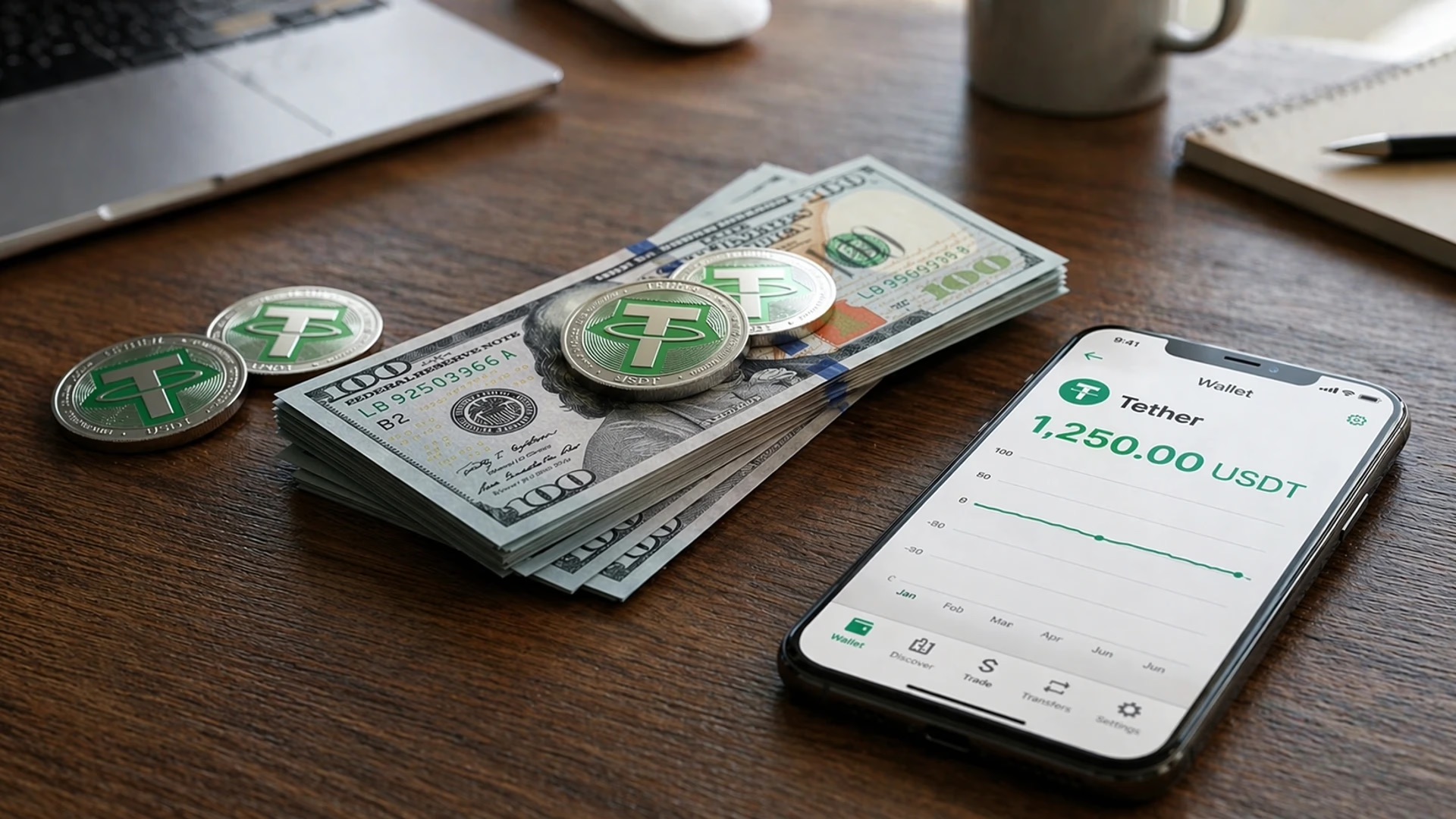
Understanding how to sell USDT is a crucial first step into the world of cryptocurrency monetization. USDT (Tether), a stablecoin pegged 1:1 to the US dollar, is a preferred medium of exchange due to its value stability. Selling USDT is essentially the process of converting your digital assets into fiat currency or other forms of payment. The Hong Kong market offers various selling channels, including exchange listings, P2P platform matching, and over-the-counter (OTC) trading services from professional USDT exchange shops . When choosing a monetization channel, you need to consider the size of your funds, time requirements, and risk tolerance. Exchange sales typically involve transferring USDT to your platform wallet and placing an order to wait for execution; the process is standardized but carries the risk of price volatility. P2P trading allows you to negotiate prices directly with buyers, but you must bear the counterparty risk yourself. Professional Hong Kong USDT exchange shops offer face-to-face cash transactions, instantly converting assets and avoiding bank transfer restrictions. Each method has its advantages and disadvantages; exchanges are suitable for small, high-frequency trading, while larger monetizations are better suited to regulated USDT OTC trading channels. Mastering these basics will help users make informed decisions in subsequent operations.
Tips for choosing a reliable trading platform
Identifying a reliable trading platform requires a multi-dimensional evaluation. The platform’s operational history is a primary indicator; platforms operating continuously for over two years have typically withstood market scrutiny. Users should verify that the platform’s actual trading address matches the registration information; a physical business location significantly reduces the risk of fraud. Liquidity depth directly impacts the efficiency of large transactions; a high-quality platform should be able to handle single transactions exceeding HKD 500,000 without significant price slippage. Customer service response speed is an important benchmark; professional platforms will respond to customer inquiries within 10 minutes. Technical security measures include the proportion of assets stored in cold wallets, multi-signature mechanisms, and transaction confirmation processes. Third-party review systems deserve close attention; genuine user feedback often reveals potential platform problems. Bitany, as a professional Hong Kong cryptocurrency exchange, employs a face-to-face trading model, providing instant fund arrival confirmation for every transaction. When choosing a platform, avoid solely comparing transaction fees; a comprehensive evaluation of security and service quality is essential to ensure asset safety.
Comparison of transaction fees and exchange rate strategies
Efficiently selling USDT requires precise calculation of hidden costs and actual profits. Fee structures typically include transaction fees, withdrawal fees, and exchange rate spreads. While exchange fees are generally 0.1%-0.5%, hidden costs are reflected in the bid-ask spread, potentially reaching 1-2%. Professional USDT to HKD exchange services use fixed exchange rates, eliminating additional spread exploitation. When comparing exchange rates, the real-time median rate should be used as a benchmark to calculate the deviation from platform quotes. For large transactions, tiered fee rates can be negotiated; transactions exceeding HKD 100,000 can usually obtain preferential rates of up to 0.15%. The timing of the trading day affects exchange rate quality; Asian trading hours offer higher liquidity and more favorable rates. Cross-border exchanges require attention to currency conversion costs; USDT to RMB and USDT to USD have different pricing mechanisms. Cost optimization strategies should comprehensively consider: real-time exchange rate locking to mitigate volatility risk, bulk trading to reduce average costs, and limit orders to prevent slippage losses. Professional traders establish multi-platform price monitoring systems to automatically capture the optimal exchange time.
Teaching how to avoid common scams
Be wary of elaborate scams when converting cryptocurrency to cash. Forging payment receipts is a common tactic; scammers use image editing software to create fake bank transfer screenshots. Preventative measures include confirming funds have actually arrived in your USDT account before releasing them, and verifying the transaction number and bank account details in the transfer record. Fake platform scams lure users into transferring funds by mimicking legitimate trading platform interfaces. Key identification points include checking the website’s SSL certificate, verifying company registration information, and testing small-amount transaction processes. Man-in-the-middle attacks occur during communication, where scammers simultaneously impersonate both buyers and sellers to commit two-way fraud. Use encrypted communication channels such as Telegram for key information transmission and verify the other party’s identity through multiple methods. Price baiting strategies lure victims with abnormally favorable exchange rates; quotes that deviate from market principles are warning signs. When trading over-the-counter, choose publicly monitored areas and avoid going to unfamiliar locations alone. Establish standardized trading processes: verify buyer identity, use contracts to bind trading terms, and maintain complete communication records. Consult professional USDT exchange shops for the latest scam warnings.
Practical steps to maximize profits
Maximizing USDT monetization profits requires a systematic execution strategy. Market timing is crucial; historical exchange rate analysis shows that the optimal exchange rate typically occurs between 2-4 PM Hong Kong time. A staggered trading strategy effectively smooths out price fluctuations by splitting large sums into 3-5 trades executed at different times. Utilizing cross-market arbitrage opportunities requires monitoring both local and international platform price differences; professional traders use automated tools to capture fleeting arbitrage windows. Tax planning is an often overlooked aspect of profit optimization. While Hong Kong currently does not tax capital gains, complete transaction records must be maintained for auditing purposes. Liquidity management strategies include reserving a portion of USDT to handle sudden exchange demands and avoiding forced trading during periods of low market liquidity. Technical tools improve execution efficiency; setting price alerts allows for immediate USDT sales when the target exchange rate is triggered . Establishing long-term relationships with reliable partners can secure priority pricing; Bitany offers exclusive exchange rate benefits to regular trading clients. Profit calculations should deduct all visible and hidden costs to accurately calculate the actual amount received.
Withdrawal and Fund Security Guide
Strict security protocols are required for the handling of funds after a USDT sale. Fiat currency withdrawal options include bank transfers, cash withdrawals, and electronic payment channels. For bank transfers, be aware of daily limits and interbank fees; large sums are recommended to be split across multiple accounts to mitigate risk. While cash transactions avoid bank regulatory scrutiny, the security of physical currency storage and transportation must be considered. Fund arrival verification should be confirmed through official bank applications or online banking systems, not solely based on transfer screenshots. Secure withdrawal procedures include: pre-verifying the recipient account status, setting transaction amount limits, and enabling two-factor authentication. Cross-border fund flows must comply with local foreign exchange controls; the annual USD 50,000 foreign exchange limit for Hong Kong residents must be included in planning. A fund traceability mechanism should be established, retaining complete on-chain records and fiat currency transfer vouchers for each transaction. Professional Hong Kong OTC trading platforms provide fund custody services, releasing crypto assets only after confirming fiat currency arrival. Security measures should be regularly updated, including changing transfer passwords, checking devices for malware, and monitoring for abnormal account activity.
Common problems and solutions
Typical issues encountered during USDT monetization require targeted solutions. Transaction delays most often occur during periods of blockchain network congestion; solutions include appropriately increasing miner fees or operating during periods of lower trading volume. Bank account freezes stem from abnormal fund flows triggering risk control systems; preventative measures include notifying the bank in advance of the expected transaction amount and frequency. When exchange rate locks fail, trading should be immediately suspended, and a new real-time quote should be obtained before deciding whether to continue. Identity verification failures may be due to expired document information or system technical malfunctions; prepare multiple identity verification documents as backups. Large transaction verification requires proof of fund origin; prepare complete transaction history records and asset verification documents in advance. Cross-platform asset transfers require verification of the receiving address; it is recommended to conduct a small-amount test transfer verification process first. Counterparty defaults should be addressed immediately through dispute resolution mechanisms, pursuing losses through platform arbitration or legal means. For all operational difficulties, contact us for professional technical support; senior trading advisors provide real-time problem diagnosis.
Advanced Skills and Future Trends
Advanced techniques mastered by experienced traders can significantly improve liquidity. Algorithmic trading strategies predict short-term price movements by analyzing order book depth and execute large-scale split trades during peak liquidity periods. Cross-market statistical arbitrage leverages persistent price differences between different platforms, simultaneously hedging in two markets to obtain risk-free profits. Options hedging strategies protect against downside risk by purchasing USDT put options to lock in the lowest possible liquidation price. Regulatory technology trends indicate that compliant trading reports will become standard requirements, and automated compliance tools can reduce operational burdens. Institutional-grade risk control systems integrate multiple verification mechanisms, including biometrics, device fingerprinting, and behavioral analytics. Future USDT trading will place greater emphasis on privacy protection, with zero-knowledge proof technology allowing verification of transaction validity without revealing specific details. Decentralized identity systems will simplify the KYC process, allowing users to reuse verification information across platforms. The development of instant settlement networks may compress transaction confirmation times to the second level, significantly improving capital turnover efficiency. Mastering these cutting-edge trends helps maintain a competitive edge in the rapidly evolving cryptocurrency ecosystem.
in conclusion
USDT monetization is a crucial aspect of cryptocurrency asset management, requiring systematic knowledge and meticulous operation. From understanding basic concepts to applying advanced strategies, each stage impacts the final monetization efficiency. Choosing a reliable platform is based on multiple verification standards, and comparing fees and exchange rates must reveal all hidden costs. Fraud prevention awareness must be maintained throughout the entire transaction process, and maximizing profits depends on market timing and cost control techniques. Ensuring fund security requires a complete withdrawal process and risk management measures, and resolving common problems relies on contingency plans and professional support. Future trends point to more efficient transaction execution and stricter compliance requirements. Investors who master these core elements can effectively balance efficiency and security during cryptocurrency monetization, achieving a smooth conversion of asset value. The existence of professional service providers offers technical support and risk buffers throughout the entire process.